
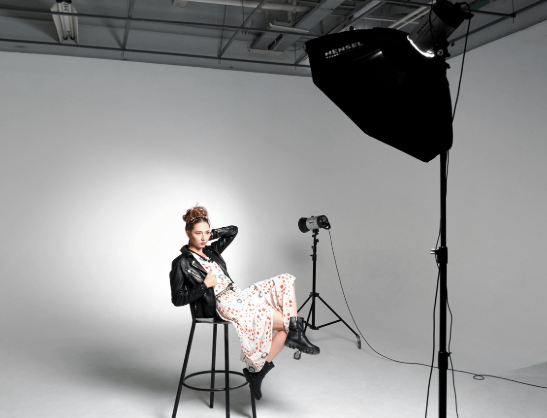
Creative lighting in fashion photos shapes mood and texture with quiet precision. The key light defines silhouette, while fill softens or chisels contour. Shadows are sculpted to reveal or restrain detail, and grazing angles tease fabric personality from weave to sheen. Color and direction set atmosphere, guiding perception of tone. On set, quick metering and tests translate wardrobe into luminous storytelling, leaving a line of inquiry unfinished and a path toward sharper, more purposeful imagery. Where will the next frame push the boundary?
How Lighting Shapes Fashion Mood and Tone
Lighting sets the emotional framework of a fashion image, signaling how the viewer should feel about the garments and the moment. The approach distills mood and informs editorial mood through deliberate contrast, silhouette, and cadence. Soft shadows trace fabric texture, guiding perception of color psychology and depth. Precision in lighting reveals intent, shaping narrative without excess, inviting freedom in interpretation.
Practical Setups: Key Light, Fill, and Shaping Shadows
In practical fashion lighting, the setup centers on three core elements: the key light, the fill, and deliberate shadow shaping. Precision governs balance: the key light defines contour, the fill softens transitions, and shaping shadows crafts depth. Practical setups reveal intention, not spectacle, guiding the narrative with controlled light. Freedom thrives within disciplined, repeatable lighting choices.
Color, Texture, and Direction for Fabric Character
Color and texture govern how fabric communicates its character on camera, with direction shaping how light interacts to reveal weave, sheen, and tactile truth. The approach considers a deliberate color palette to convey mood, while fabric texture responds to grazing, angle, and contrast. Precision in lighting reveals nuance, texture variation, and fabric personality without distracting ornament, guiding expressive, free-spirited photography.
On-Set Troubleshooting and Quick Adjustments
Equipment issues, shifting conditions, and unexpected wardrobe interactions demand rapid assessment on set, bridging the discussion from fabric characterization to real-time control of light. On-set troubleshooting maintains composure as meters, modifiers, and angles adapt: lighting ratios reveal gaps, while quick on set tweaks preserve texture and mood. Precision decisions, quiet collaboration, and disciplined tests drive consistent, liberated imagery.
Frequently Asked Questions
How Do LEDS Affect Skin Tones in Fashion Lighting?
LED color science shows LEDs can preserve skin tone with proper white balance, while ambient strobe balance is critical; battery life on location matters. They influence metallic fabrics lighting and skin tone preservation through nuanced spectral control.
Which Lighting Setups Work Best for Metallic Fabrics?
Answer: For metallic fabrics, side lighting and high-contrast setups maximize metallic reflections while preserving fabric texture, enabling defined highlights and sculpted folds without washing out details; the mood remains controlled, technique precise, narrative focused, and audience-oriented toward freedom.
How to Balance Ambient Light With Strobes Creatively?
Balancing ambient with creative strobes requires disciplined control: key prompts include skin tones with LEDs, metallic fabric lighting, studio scale gear on location, and battery life protection during shoots, ensuring consistent mood while pushing dynamic lighting potential.
What Gear Upgrades Yield Studio-Scale Results on Location?
Stated plainly: gear upgrades yield studio-scale results on location, enabling location scalability and consistent light control. The approach emphasizes precision, mood, and technique, guiding a photographer who desires freedom through reliable, portable power, modifiers, and modular strobe systems.
see also: Cooling Technologies for Servers
How to Protect Battery Life During Long Fashion Shoots?
Protecting batteries and power management are essential during long fashion shoots; conserve energy with smart on/off cycling, staged recharging, and buffer backups. The approach favors measured, flexible technique, enabling creative freedom while preserving reliability and mood-rich results.
Conclusion
In the quiet calculus of light, fashion yields its dialogue. Slight shifts—soft shadows, a measured glow, a pinched highlight—whisper mood into fabric, shaping tone without shouting. The photographer’s craft, a steady hand and patient breath, nudges texture toward truth while elegance holds its breath at the edge of contrast. When exposure and intention align, garments become characters, and the frame, a nuanced stage where color and contour consent to tell a restrained, luminous story.
